
A diagnosis doesn’t mean you have to leave home
Condition-specific wellness plans that help Vermont seniors stay safe and independent, even when the medical picture gets complicated.
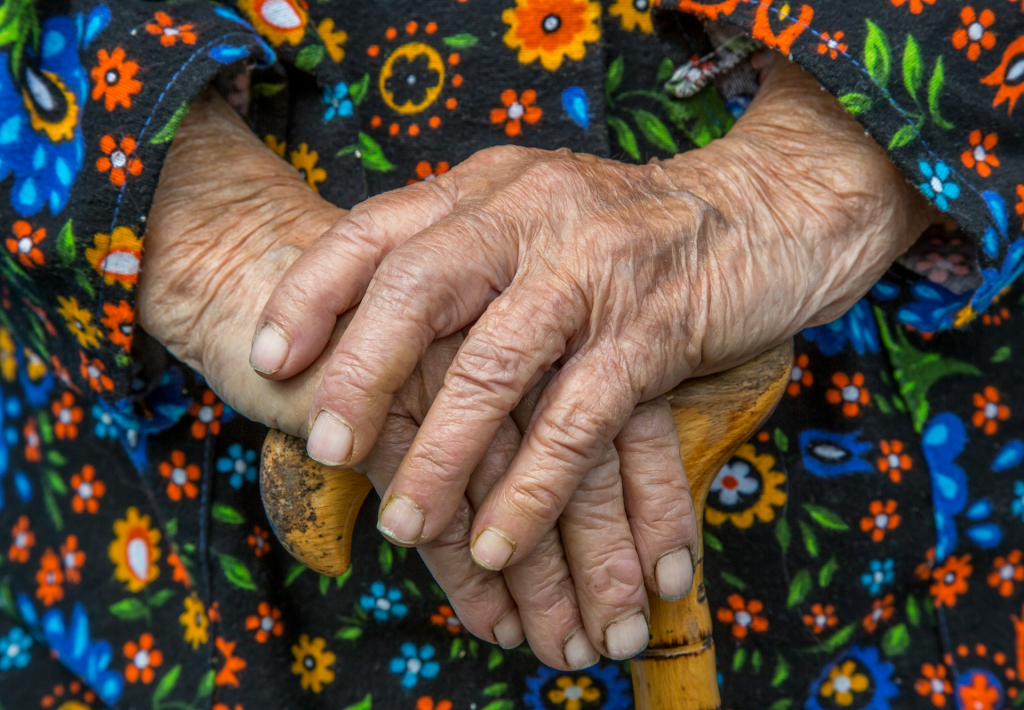
Most seniors have at least one chronic condition. Most can still stay home.
93% of adults aged 65 and older have at least one chronic condition. Nearly 80% have two or more. If having a chronic disease meant you had to move to a facility, the assisted living industry would need ten times more beds than it has. The reality is that most of the seniors behind these statistics are managing their conditions at home, often without professional support between doctor’s appointments. The question was never “do you have a condition?” It’s “Can your home and your daily routine support you safely while you manage it?” For most people, the answer is yes, with the right modifications, the right exercise, and a professional who knows what to watch for. That’s the work we do. Not treating the condition — your medical team handles that. But making sure the condition doesn’t take away your home.
Parkinson’s Disease
Parkinson’s doesn’t just affect movement; it changes how you navigate your own home. Freezing episodes at doorways, balance problems that get worse in dim lighting, and the dual-task challenges that make carrying a cup of coffee while walking genuinely dangerous. Our approach combines Parkinson’s-specific exercise programming, fall-prevention strategies, and home modifications tailored to how PD progresses.
Who this is for
Seniors with a Parkinson’s diagnosis at any stage, and families planning ahead.
Recommended Plan
Active Wellness or Complete Care
Alzheimer’s & Dementia
This is the condition where honesty matters most. In early and moderate stages, many people with dementia can live safely at home with the right support, cognitive engagement, environmental safety modifications, and a professional who sees them regularly enough to track subtle changes. But dementia progresses, and there’s a point where home care isn’t enough. We will help you navigate both sides of that line.
Who this is for
Families, often the adult children, looking for professional support and an honest assessment of what’s realistic.
Recommended Plan
Active Wellness or Complete Care
Osteoarthritis
Arthritis is the condition most likely to make someone give up the activities that keep them independent — gardening, cooking, walking the dog, and getting in and out of the car. The instinct is to move less. The evidence says the opposite: the right kind of movement, consistently, is the single best thing you can do for arthritic joints. We build exercise programs around what hurts and what doesn’t, and modify your home so that daily tasks don’t punish you for doing them.
Who this is for
Seniors managing joint pain who want to stay active rather than give in to it.
Recommended Plan
Active Wellness or Complete Care
Chronic Cardiac Conditions
Heart failure, atrial fibrillation, post-heart attack recovery, and hypertension, cardiac conditions require careful, monitored exercise and consistent vitals tracking. We program safe, effective exercise within your cardiac parameters and monitor blood pressure, oxygen saturation, and heart rate at every visit. The data goes to your cardiologist between appointments, not just the single snapshot they get in the office.
Who this is for
Seniors with cardiac diagnoses who need exercise guidance and monitoring beyond what quarterly doctor visits provide.
Recommended Plan
Active Wellness or Complete Care
Fall Prevention
One in four seniors falls each year. Falls are the leading cause of injury death in adults over 65. And most falls are preventable, with the right combination of strength and balance training, home hazard remediation, and medication review. You don’t need a diagnosis to be at fall risk. You just need to be at the age where the consequences of a fall change from a bruise to a broken hip.
Who this is for
Any senior concerned about balance or a recent fall, with or without a specific diagnosis.
Recommended Plan
Monthly Wellness or Active Wellness
Post-Rehab Transition
You finished physical therapy. Insurance said you were done. You’re better than you were, but you’re not where you were before. And now what? The “rehab cliff,” the gap between clinical discharge and actual readiness, is where most people lose the gains they just spent weeks building. We bridge that gap with ongoing exercise programming that picks up where your PT left off and doesn’t stop when an authorization expires.
Who this is for
Seniors recently discharged from physical therapy who aren’t ready to go it alone.
Recommended Plan
Monthly Wellness or Active Wellness
What condition-specific wellness means
We don’t treat diseases. We make living with them safer. There’s an important distinction that the healthcare system doesn’t make well: the difference between managing a medical condition and managing a life with a medical condition. Your neurologist manages your Parkinson’s medications. We make sure the freezing episodes don’t happen at the top of your stairs. Your cardiologist monitors your heart function. We make sure your exercise program is safe, that your blood pressure is tracked between appointments, and that your home doesn’t have fall hazards that can turn a manageable condition into a hospitalization.
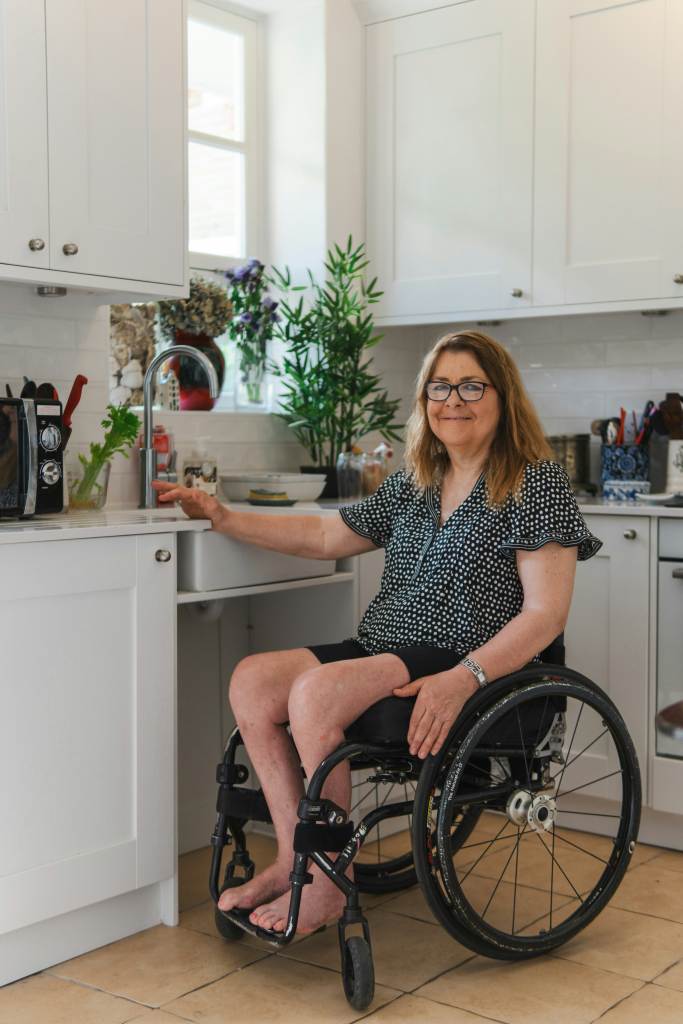

Home modifications based on your condition’s progression
A CAPS-certified specialist doesn’t just assess your home for today’s risks. She anticipates what changes will occur in the future. The grab bar you need today is different from the bathroom reconfiguration you’ll need when your Parkinson’s progresses. We plan for both.

Coordination with your medical team
Katie communicates directly with your physicians and specialists. When she notices a change in your gait, cognition, or vitals, the doctor is notified immediately. For Complete Care and Concierge clients, she acts as the central point of contact for your entire care team.

Exercise programming tailored to your condition
Not generic senior fitness. A program designed by a physical therapist who understands how your condition affects your movement, balance, and endurance, and who updates it as things change.

Honest assessment of when home is no longer the safest option
Some conditions progress to a point where facility care genuinely becomes the safer choice. We will tell you that directly.
Frequently Asked Questions
Yes, in most cases. Ninety-three percent of seniors have at least one chronic condition, and the vast majority manage them at home. The key is having the right support: a safe environment, appropriate exercise, consistent monitoring, and coordination with the medical team. We provide all four.
Katie has specific experience with Parkinson’s disease, Alzheimer’s and dementia, osteoarthritis, chronic cardiac conditions (heart failure, AFib, post-MI, hypertension), general fall prevention, and post-rehab transition. Each condition has a tailored approach to exercise, home safety, and care coordination.
No. Healthy At Home is a wellness practice that works alongside your medical team, not instead of it. Katie communicates directly with your physicians and specialists, sharing observations and vital data. She handles the between-appointment monitoring and exercise programming that doctors recommend but don’t have time to provide or supervise.
It depends on the condition. Generally, home-based wellness is no longer sufficient when a person needs 24/7 supervision, has dementia that’s progressed beyond the moderate stage, or has safety risks that home modifications can’t solve. Katie will assess this honestly and tell you directly if facility care is the safer choice.
No. Healthy At Home is a private-pay wellness practice, not a clinical rehab service. You don’t need a referral, a prescription, or a diagnosis to get started. Just schedule a Home Safety Assessment, and we will take it from there.
The condition is the diagnosis. The plan is what you do about it.
Our Home Safety & Baseline Assessment evaluates your home and your health through the lens of your specific condition. You’ll get a written report with findings, recommended modifications, and a plan recommendation, not a generic checklist, but a clinical assessment by a PT who’s been doing this for two decades.
Or call Katie directly: 802-857-8982