
This is your home. Let’s make sure it stays that way
You’ve taken care of yourself your whole life. This is what taking care of yourself looks like now with a professional partner who keeps you strong, catches what you can’t see, and makes sure your home works as well at 80 as it did at 60.
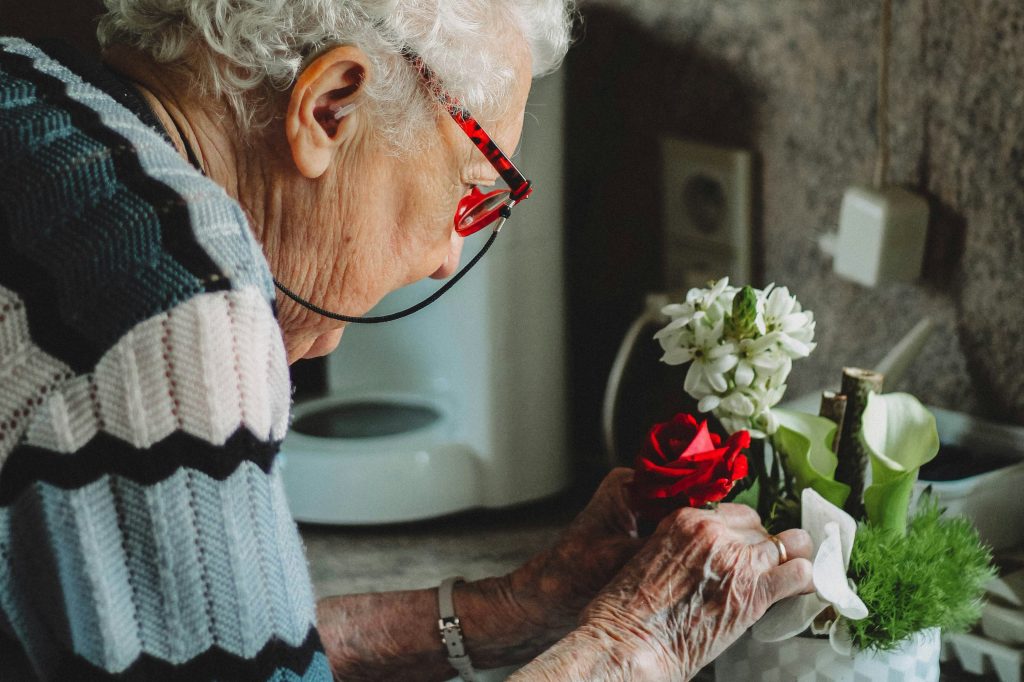
“I don’t need help.”
You’re probably right. Right now, you’re managing. You’re mowing the lawn, making dinner, walking the dog. You’re independent, and that independence is not negotiable.
You change the oil in your car before the engine seizes. You get a physical every year, even when you feel fine. You clear the gutters before the ice dam forms. None of that means your car is broken, your body is failing, or your roof is leaking. It means you understand that prevention is cheaper, easier, and less disruptive than repair. That’s what Healthy At Home is. Not a response to a crisis. A plan to prevent one.
Katie isn’t showing up because something is wrong. She’s showing up so that nothing goes wrong and so that if something starts to change, someone qualified notices it before it becomes a problem you can’t ignore.
What It Actually Looks Like
Here’s what Monthly Wellness ($275/month) looks like for someone who’s healthy, active, and plans to stay that way:
- Katie comes to your house once a month. Not a clinic. Not a waiting room. Your house. She spends about 45 minutes with you.
- She checks how you’re doing. Not with a clipboard and a checklist but with a conversation and a trained eye. She watches you walk. She checks your balance. She asks about your medications, sleep, and energy. She takes your blood pressure. She notices the things you’ve stopped noticing. Maybe your stride has shortened slightly, you’re holding the railing tighter than you used to, or the new blood pressure medication has you feeling dizzy when you stand up too fast.
- She walks through your home. Not to judge how you live, but to see what’s changed. The lightbulb that burned out over the basement stairs. The throw rug that shifted by the back door. The garden hose is left across the walkway. The bathroom you haven’t gotten around to adding a grab bar in. Small things, individually. The kind of things that cause a fall, collectively.
- She updates your exercise program. Not a generic printout but a program designed for your body, joints, balance, and home. If you’ve been doing well, she progresses it. If your shoulder’s been bothering you, she adjusts. If you haven’t been doing it, she doesn’t lecture; she figures out why and fixes the program so you will.
- She leaves. You go back to your day. Your kitchen, routine, dog, life. Nothing about your independence has changed except that a professional with 20 years of experience just confirmed that your home is safe, your body is holding up, and your exercise program is current.
The things that end independent living don’t announce themselves
Falls are the leading cause of injury death in adults over 65. One in four seniors falls every year. But here’s the part that matters for this conversation: most falls don’t happen to people who are visibly frail or obviously declining. They happen to people who were doing fine until they weren’t.
The fall happens because of a combination of small factors that each seemed insignificant:
A medication change that slightly affects balance. A rug that shifted half an inch. A step you’ve navigated ten thousand times, but today your knee locked up. Dim lighting on a path you know by heart, on a night when you got up a little too fast. None of these is a crisis on its own. Together, on the wrong day, they’re a broken hip.
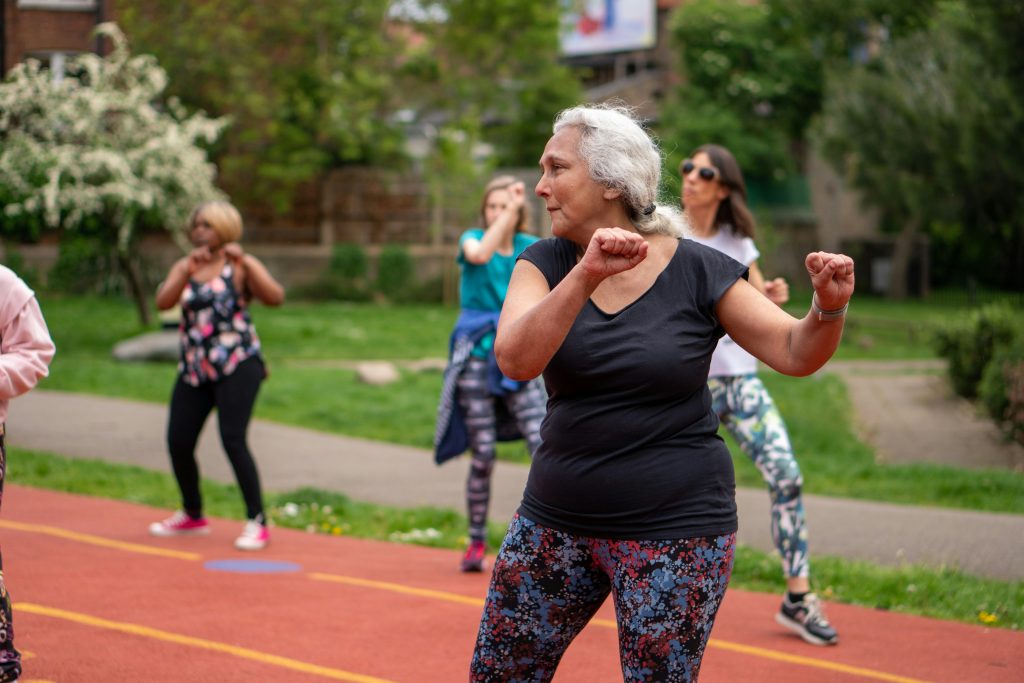
Exercise reduces the risk of falls by 20–50% in community-dwelling older adults
Depending on the type of program. Balance and functional exercises alone reduce falls by 24%. Tai Chi shows 31–58% reductions. The Otago Exercise Program is a specific strength and balance protocol that Katie is trained in, which shows 23–40% reductions.
A consistent, professionally supervised exercise program is one of the most effective interventions in all of preventive medicine for seniors. And unlike a medication, it has no side effects, just side benefits.
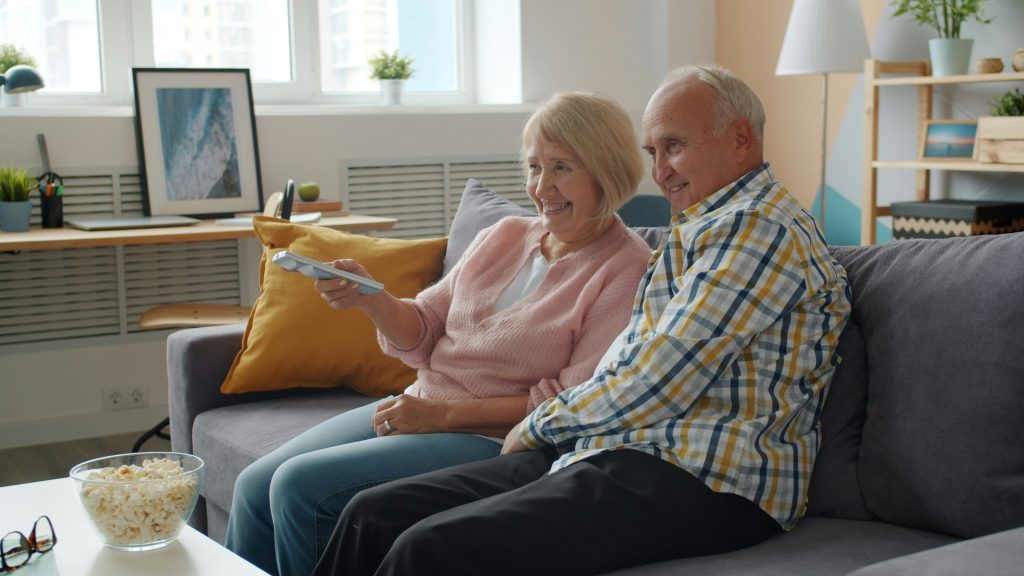
The home safety component matters just as much
Katie is a Certified Aging in Place Specialist. That means she evaluates your home not just for today’s risks but for what will become a risk in years to come. The bathroom that works fine now might need grab bars before you notice you need them. The bed height that’s comfortable now might become a struggle when your hips stiffen.
A monthly visit catches these changes in real time, not after a fall forces an emergency assessment.
Addressing the obvious objection: “I can exercise on my own.”
You can. And if you’re doing it consistently, three times a week, with strength and balance work, progressed over time as your body changes, then you’re ahead of most people your age, and you might genuinely not need Katie.
But here’s what a self-directed program can’t do:
It can’t see what you’ve adapted to.
You may not realize your stride has shortened, your posture has shifted, or you’ve started favoring your left side when you get out of a chair. These compensations happen gradually, and you adapt to them without noticing. We notice, because we have your baseline and we’re trained to see the difference.
It can’t assess your home.
You live in your home every day. You’ve stopped seeing the hazards the same way you’ve stopped hearing the furnace. A fresh, professional set of eyes trained specifically in aging-in-place assessment catches what familiarity hides.
It can’t update itself.
Your body changes. Your medications change. Your joints, your balance, and your endurance are not static. An exercise program that was appropriate six months ago may be too easy, too hard, or targeting the wrong things today. We adjust the program every month based on what we observe, not what was true last quarter.
It can’t connect to your doctor or report to your family.
If Katie notices something during a visit, such as a blood pressure trend, she communicates directly with your physician. Your self-directed program can’t make that call. If you have adult children who worry, and most do, whether you know it or not, Katie’s monthly report gives them facts instead of fears.
It all starts with a Home Safety & Baseline Assessment
($250–$400)
Katie evaluates your home room by room, tests your balance and strength, reviews your medications, and gives you a written report. If you don’t need ongoing services, she’ll tell you. If you do, you’ll know exactly which plan fits and why.
Or call Katie directly: 802-857-8982
If your son or daughter forwarded this page to you
They’re not trying to take away your independence. They’re trying to protect it. They noticed some small changes. Maybe the stairs are slower, maybe the house needs a repair you haven’t gotten to, maybe you’ve been feeling tired more often. They don’t want to have the assisted living conversation any more than you do. What they want is to know that someone qualified is checking in. That someone would notice if things started to change.
And if you’re the adult child reading this section, trying to figure out how to bring it up: the Home Safety Assessment is the easiest starting point. It’s a one-time visit for $250, with no ongoing commitment. It gives your parent a clear picture of their home and health, and gives you facts rather than guesses. Most parents will agree to an assessment even if they resist the idea of “regular help” because an assessment isn’t help. It’s information.
Frequently Asked Questions
Aging in place requires three things: a safe home environment, maintained physical fitness (especially strength and balance), and a plan for what happens when things change. A professional home safety assessment identifies risks, an ongoing exercise program prevents decline, and regular wellness visits catch problems before they become crises. Most seniors can stay home far longer than they think with the right support.
Aging in place means remaining in your own home as you get older, rather than moving to an assisted living facility or nursing home. With appropriate home modifications, exercise programming, and professional monitoring, most seniors can age in place safely and independently. In Vermont, this is particularly relevant given that assisted living costs $7,000–$10,000+ per month.
Evidence-based recommendations include aerobic activity (walking, cycling) three or more days per week, strength training two to three days per week, and balance exercises daily or near-daily. A physical therapist can design a home-based program tailored to your abilities and your space. Professional supervision reduces fall risk by 20–50% compared to no exercise program.
No. Many of Katie’s clients are healthy, active seniors who want to stay that way. Monthly Wellness ($275/month) is designed specifically for independent seniors who want a professional safety net with regular exercise updates, home safety monitoring, and medication review — without waiting for something to go wrong.
Start with the Home Safety Assessment ($250). It’s a one-time visit, not an ongoing commitment, and it provides objective information rather than opinions. Frame it as a smart, proactive decision rather than a response to decline. Many seniors who resist the idea of “regular help” are willing to have an expert evaluate their home, and the results often open the door to ongoing support.
You don’t need to wait for a problem to start solving for one
Katie’s Home Safety & Baseline Assessment takes about 90 minutes. She evaluates your home, balance, strength, medications, and daily routine. You get a written report with findings and recommendations. If everything looks good, she’ll tell you. If there are things to address, you’ll know exactly what they are and how to fix them.
Or call Katie directly: 802-857-8982