
A professional set of eyes on the place you want to keep living
A comprehensive, room-by-room evaluation of your home, your mobility, and your daily routine. It’s performed by a physical therapist with 20+ years of experience and a Certified Aging in Place Specialist credential.
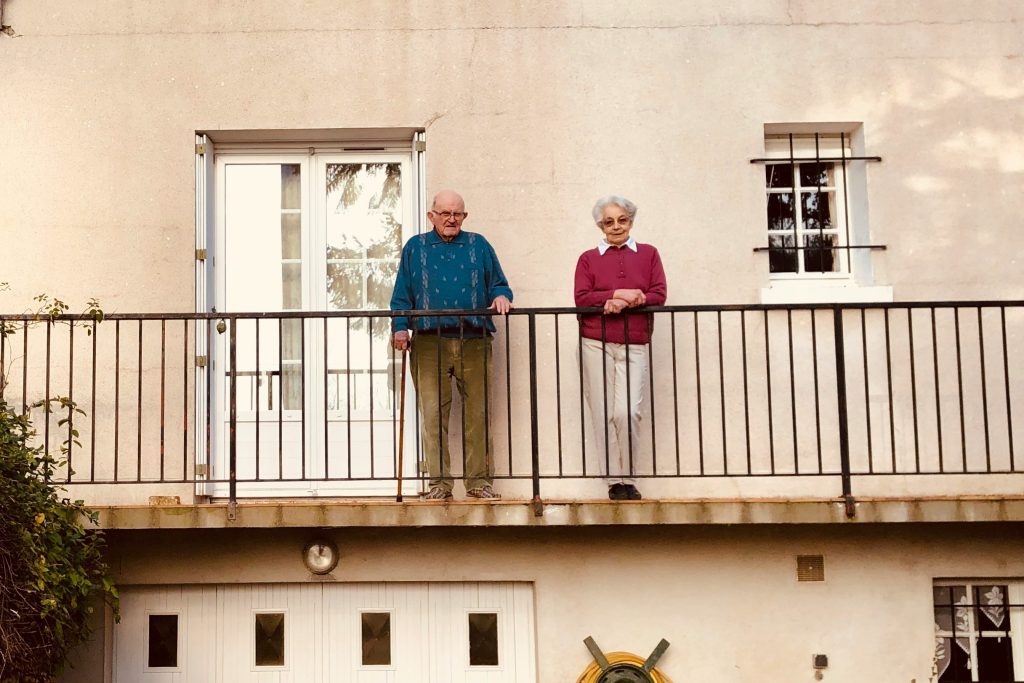
The assessment informs everything, but it doesn’t obligate anything
Here’s how the process typically works:
Assessment
Katie visits, evaluates, and produces the written report.
Review
We walk through the findings and answer questions. For families, this call can include the adult child or POA.
Recommendations
Based on the assessment, we recommend one of two paths: modifications only or a monthly wellness plan.
This is a professional evaluation, not a sales call
Most home health care services follow a similar pattern. When a senior’s medical or physical condition changes, Senior living facilities often offer “free home assessments” with a sales representative to your home. That representative works for the facility and is compensated based on move-ins. The assessment is designed to make your home look dangerous, and the facility look like the solution.
Our assessment is the opposite. We work for you. Katie’s credentials as a Certified Aging in Place Specialist exist specifically to help people stay home, not leave it. Our assessment is designed to identify what needs to change to stay home safely. If your home is already safe and you don’t need any modifications or ongoing services, we will let you know. We have no facility to fill and no financial incentive to recommend anything you don’t need.
Room by room, system by system
The assessment takes 90 minutes to two hours. We evaluate both the home environment and the person living in it, because fall risk lives at the intersection of the two.
Most home safety assessments are performed by occupational therapists, contractors, or aging-in-place consultants. Katie brings a physical therapist’s understanding of movement, balance, gait, and functional strength to the evaluation.

The home environment

Bathroom
The single most dangerous room in the home for seniors. We evaluate:
- Grab bar presence and placement (or absence and where they need to go).
- Tub and shower entry: step-over height, surface texture, door or curtain type.
- Floor: Shower floor condition and slip resistance. Condition when wet.
- Toilet height relative to leg strength and joint mobility.
- Sink and vanity stability to determine whether they will support weight if someone grabs them for balance.
- Lighting, including nightlight adequacy for night trips.
- Storing toiletries and medications that require reaching overhead or bending to a low cabinet while standing on a wet floor combines multiple risk factors.

Stairs and Hallways
- Handrail presence on both sides (one-sided handrails are inadequate for anyone with unilateral weakness).
- Handrail condition — are they solid, or do they wobble?
- Step depth, height, and consistency (irregular steps are more dangerous than uniformly steep ones).
- Lighting at the top and bottom, and whether switches are accessible from both ends.
- Step edge visibility — can you see where the step ends, especially coming down?
- Carpet condition on stairs: loose, worn, or thick-piled, causing toe catches.
- What the person carries while using stairs — laundry, a plate, a phone — each adds a dual-task fall risk.

Kitchen
Location of frequently used items:
- Anything stored above shoulder height or below knee height creates a reaching or bending hazard.
- Floor surface — rugs, mats, and the gap between the refrigerator and counter, where things roll.
- Stove controls: front-mounted or rear-mounted (rear-mounted requires reaching over hot burners).
- Distance between stove, sink, and table — carrying hot items across the kitchen is a balance and burn risk.
- Whether the person has a seated option for meal preparation.
- Step stool condition and stability, if one is used.

Bedroom
- Bed height — too low makes getting up difficult; too high makes the edge precarious.
- Path from bed to bathroom: distance, lighting, obstacles, door width. This is the single most important pathway in the house because it’s navigated at night, in the dark, often urgently, by someone who may be groggy, medicated, or both.
- Night lighting: Is there enough to see the floor without turning on a full overhead light that causes temporary blindness?
- Cord placement from lamps, chargers, and medical equipment.
- Floor clutter.
- Rug edges.
Living Areas
Furniture arrangement:
- Are pathways wide enough for safe navigation?
- Can the person get out of their primary chair without assistance?
- Are there stable surfaces to grab if balance is lost?
- Rug edges — throw rugs are the number one modifiable home hazard for seniors.
- Lighting levels and switch accessibility.
- Threshold heights between rooms.
- Pet movement patterns (a dog that follows you through doorways is a trip hazard that doesn’t appear on any checklist).

Exterior and Entry
- Front- and back-door approaches: step count, step condition, and presence of a railing.
- Walkway condition — cracks, heaving, and grade.
- Lighting at entries.
- In Vermont specifically: an ice and snow management plan (who shovels, how often, where salt is stored), distance from the door to the car, mailbox access in winter, and whether the driveway is graded for drainage or becomes an ice sheet.
- Porch or deck condition, including railing stability.
The person

Mobility and Functional Assessment
We watch you move — not in a clinical office, but in your own home, where the floors, doorways, and furniture are yours. She assesses:
- Gait (how you walk)
- Balance (how you stand and recover from perturbation)
- Sit-to-stand ability (can you get out of your chair without using your arms?)
- Step-over ability (can you clear a threshold or a pet gate?)
- Stair navigation.
- She notes gait speed, stride length, arm swing, and whether you’re compensating for weakness or pain in ways that increase fall risk.

Medications
We review your current medication list — not to make changes (that’s your physician’s role) but to identify medications known to increase fall risk.
- Blood pressure medications that cause dizziness.
- Sedatives and sleep aids that impair nighttime balance.
- Antidepressants that affect postural stability.
- Pain medications that slow reaction time.
- And the interactions between them.
- If she identifies a concern, she communicates it to your physician with a specific clinical context.

Daily Routine
These questions reveal a functional decline that the person may not recognize in themselves because it happened gradually. We ask because the answers shape every recommendation in the report.
- Where do you spend your time?
- What tasks are getting harder?
- Do you avoid the stairs?
- Have you stopped showering and switched to sponge baths?
- Are you going out less?

Cognitive Screen
We observe processing speed, attention, and executive function during the visit — not through a formal test, but through the natural interaction of the assessment.
- Can the person follow multi-step instructions?
- Do they lose track of what they were saying?
- Do they have difficulty with the dual-task demands of walking and talking simultaneously?
- These observations inform safety recommendations and help Katie advise whether further cognitive evaluation might be warranted.
The Report
What you receive: a written report that’s useful regardless of what you do next.
Within one week of the assessment, we send a detailed written report. A follow-up phone call to review the findings and answer questions follows.
Findings
Specific hazards identified, room by room. Functional baseline measurements — gait speed, balance scores, sit-to-stand performance — were documented so that future changes can be measured against a known starting point.
Prioritized Modification Recommendations
The modifications that matter most come first, ranked by the severity of the risk they address. Each recommendation includes what to do, an estimated cost range, and whether it requires a contractor or can be done independently. We distinguish between “do this now” (the loose rug at the top of the stairs), “do this soon” (grab bars in the bathroom), and “consider this” (a stair lift for future planning).
Cost Estimates
Approximate costs for each recommended modification. We don’t sell or install modifications, so our cost estimates are unbiased. We can recommend contractors she trusts for larger jobs.
Plan Recommendation
Based on the assessment, we recommend one of two paths: modifications only or a monthly wellness plan. If the home is safe and the person is strong, the report says so.
For Families
With the client’s permission, a copy of the report goes to the designated adult child, family member, or Power of Attorney. For out-of-state families especially, this report is often the first objective, professional assessment of a parent’s living situation they’ve ever received.
Assessment Pricing
$250–$400
The price depends on the size and complexity of the home.
The assessment does not require you to continue with a monthly wellness plan. Many clients start with the assessment and decide later whether ongoing services make sense. Others start a wellness plan immediately.
Does Not Include:
The cost of any recommended modifications (grab bars, lighting, etc.) and contractor labor for installations Katie can’t do herself. Katie provides cost estimates and contractor referrals but does not sell products or perform installations.
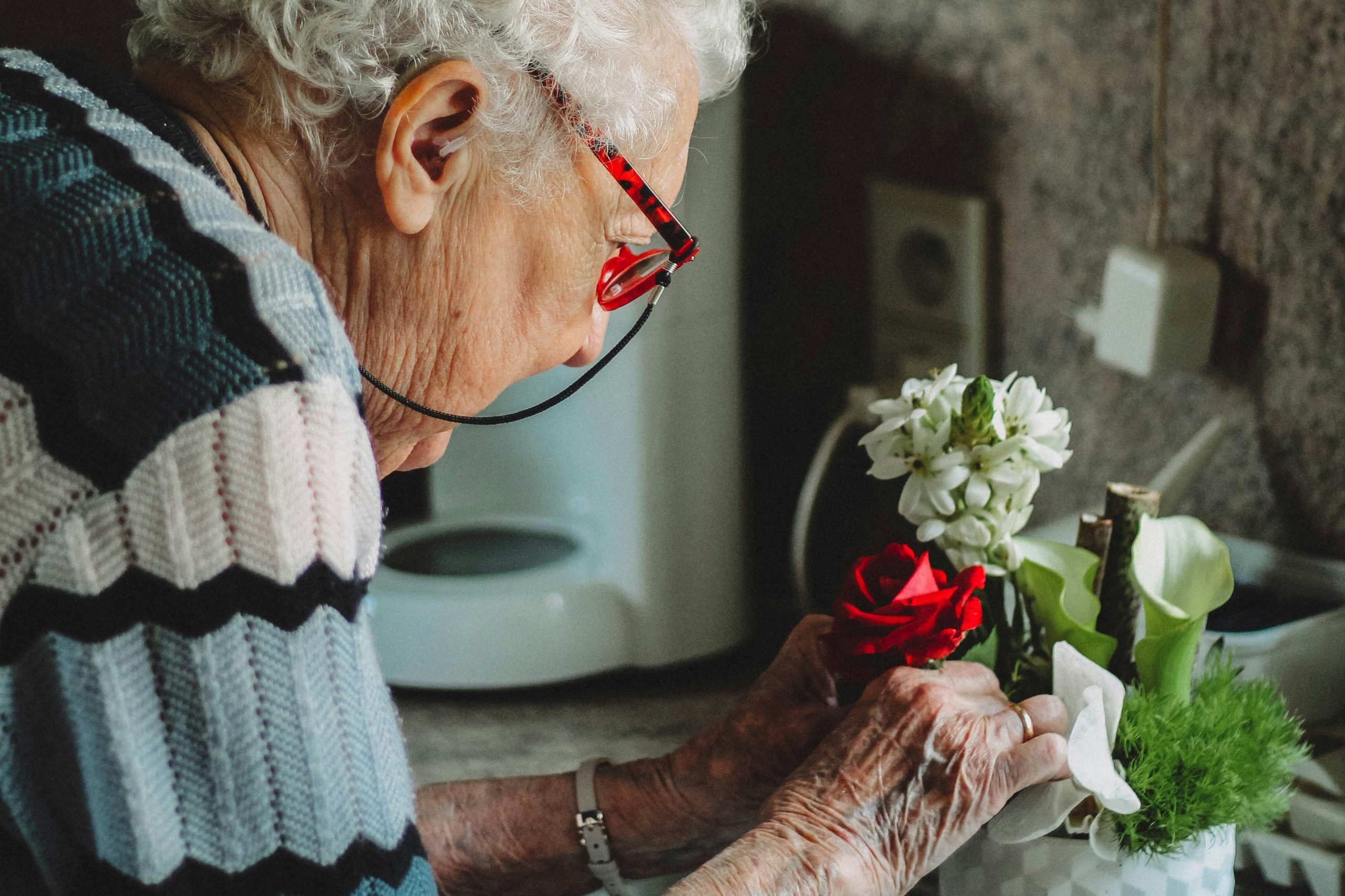
When a Home Safety Assessment makes sense
You’re doing well and want to stay that way.
The best time for an assessment is before there’s a problem. You’ll get a professional evaluation, a documented baseline of your mobility and strength, and a clear picture of what modifications (if any) would make your home safer. If everything checks out, you’ve spent $250–$400 for peace of mind and a written record.
You or your parent fell recently.
A fall, even one without serious injury, is a signal that something in the equation has changed. The assessment identifies what: Was it a home hazard? A medication side effect? A balance deficit? The answer determines what needs to change to prevent the next one.
You’ve noticed changes.
You or your parent is moving more slowly. Hesitating on the stairs. Holding onto walls. These observations are valid. An assessment translates your instinct into a professional evaluation with specific, actionable recommendations.
Your parent is being discharged from a hospital or rehab facility.
The home your parent left may not be safe for the person coming back. A post-discharge assessment ensures the home is ready — modifications in place, hazards removed, and a baseline established for ongoing monitoring.
You’re planning ahead.
Your parent is 72 and healthy. You want to know what the house will need in five years, in ten years. An assessment now creates a baseline and roadmap for modifications that you can implement gradually rather than in a crisis.
A doctor or therapist recommended it.
If your parents’ physician, physical therapist, or discharge planner suggested a home safety evaluation, Katie’s assessment is what they had in mind. No referral is required.
Frequently Asked Questions
A home safety assessment is a professional, room-by-room evaluation of a senior’s living environment and physical capabilities. We evaluate fall hazards in every room (bathroom, stairs, kitchen, bedroom, exterior), assess mobility and balance, review medications for fall-risk side effects, and document daily routine changes. The visit takes 90 minutes to two hours and results in a written report with prioritized modification recommendations.
Our Home Safety Assessment costs $250–$400, depending on the size and complexity of the home. The price includes the in-home visit, a written report with prioritized recommendations, and a follow-up phone call to review findings. This is a standalone service — no monthly plan is required.
The CAPS credential is administered by the National Association of Home Builders (NAHB) in partnership with the AARP. It trains professionals to evaluate homes for aging-related safety and accessibility and to recommend modifications that extend how long someone can live independently.
Not many people hold a CAPS certification. Fewer still combine it with a clinical background. Katie’s 20+ years as a physical therapist means she doesn’t just see the home hazard. She understands the physical and medical reasons it’s a hazard for this specific person. A loose rug is a problem. A loose rug in the path between the bedroom and bathroom for a person with Parkinson’s who takes a blood pressure medication that causes nocturnal dizziness is a different conversation entirely. The rug is the easy fix. The underlying risk profile is what informs every other recommendation in the report.
Free home assessments offered by senior living facilities are sales tools — the evaluator works for the facility and is incentivized to recommend a move. Katie’s CAPS certification is specifically designed to help people stay home safely. We have no facility to fill, no financial incentive to oversell, and we will tell you honestly if your home is already safe or if assisted living is actually the better option.
No. The Home Safety Assessment is a private-pay wellness service that does not require a physician referral, insurance authorization, or medical necessity documentation. You can schedule directly by calling Katie or filling out the contact form. If your physician recommended a home evaluation, our assessment is what they’re describing.
Within one week, we will send a written report with findings, prioritized modification recommendations with cost estimates, and our recommendation for whether ongoing wellness services would benefit your situation. A follow-up phone call reviews the report and answers questions. You then decide whether to implement only modifications, start a monthly wellness plan, or do both. There is no pressure and no automatic enrollment.
Two hours now could prevent a crisis later
The Home Safety Assessment is the simplest, lowest-commitment step you can take. We visit, evaluate, and give you a professional report. If everything is fine, you’ll know. If it’s not, you’ll know exactly what to do about it.
Or call Katie directly: 802-578-4507